
Diabetes Mellitus in Cats
4/8/20264 min read
Diabetes Mellitus in Cats: What Every Pet Owner Needs to Know
Diabetes mellitus is a common hormonal disease in cats in which the body cannot use glucose (sugar) properly, leading to high blood sugar. With early diagnosis and good home care, many diabetic cats can live long, comfortable lives and sometimes even go into remission.
What is diabetes in cats?
In healthy cats, the pancreas produces insulin, a hormone that helps cells absorb glucose from the blood. In diabetes mellitus, either the pancreas does not make enough insulin (Type I) or the body’s cells become resistant to it (Type II), with Type II being the most common form in cats. This causes glucose to build up in the blood, leading to a range of symptoms that affect how your cat feels, eats, and drinks.
Signs to watch for at home
The most common “classic” signs are:
Drinking much more water than usual (increased thirst).
Urinating more frequently or in larger amounts (increased urination).
Eating more but still losing weight.
Other clues can include:
A dull or unkempt coat.
Lethargy or weakness.
Walking flat‑footed on the hind legs (a “plantigrade” stance) due to nerve changes in some cats. If your cat shows any of these changes, especially increased thirst and urination, call your vet for a checkup right away.
Why some cats get diabetes
Several factors increase the risk of feline diabetes:
Obesity is one of the strongest risk factors.
Age: most diabetic cats are middle‑aged or older, often 7–14 years.
Other diseases (for example chronic pancreatitis or certain hormonal disorders) and some medications (like steroids) can also contribute.
Keeping your cat at a healthy weight and avoiding unnecessary steroid drugs can help reduce the chances of diabetes developing.
How your cat will be diagnosed
Diagnosing diabetes usually involves blood and urine tests. The vet will look for:
Persistently high blood glucose levels.
Glucose in the urine (glucosuria).
Because stress can temporarily raise a cat’s blood sugar, your vet may need more than one sample or additional tests, such as a fructosamine level, to confirm the diagnosis.
Main goals of treatment
The key goals of treating diabetes in cats are:
Bring blood glucose back into a safer range.
Relieve thirst, frequent urination, and weight loss.
Avoid dangerously low blood sugar (hypoglycemia).
When treatment is started early and managed well, some cats can go into remission, meaning they no longer need insulin or can be controlled on diet alone.
Insulin therapy: what to expect
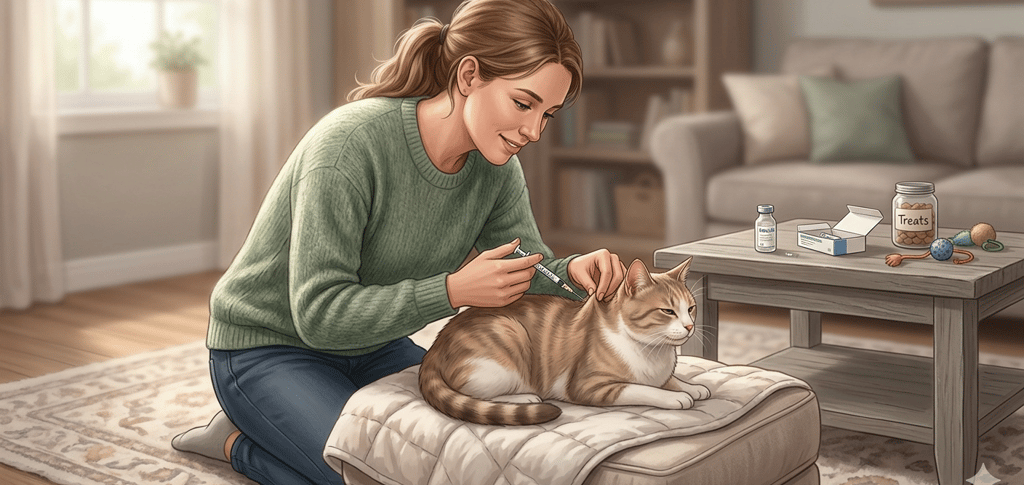
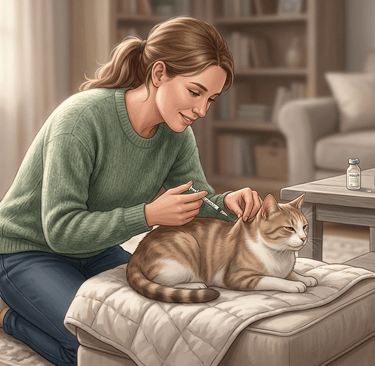
For most diabetic cats, the mainstay of treatment is insulin given by injection under the skin. Common types include glargine, lente, and PZI insulins, usually given once or twice daily. Your vet will:
Show you how to give the injection.
Teach you how to store and handle the insulin.
Guide you on the correct dose; this is often adjusted over time.
Most cats tolerate injections very well because the needles are tiny and the process is quick. With practice, giving insulin becomes a routine part of your day.
Diet and weight management
Diet plays a crucial role in managing diabetes:
High‑protein, low‑carbohydrate diets help reduce blood‑sugar spikes and can improve insulin control.
Many veterinarians recommend wet (canned) food because it is usually lower in carbs and higher in protein than dry food, and it helps keep your cat hydrated.
If your cat is overweight, your vet may recommend a gradual, supervised weight‑loss plan. Slow, steady weight loss can improve insulin sensitivity and sometimes even reduce or eliminate the need for insulin.
Newer treatment options
In addition to insulin, some diabetic cats may be candidates for oral medications or newer drugs, depending on how much insulin their pancreas can still produce. These can include:
Oral hypoglycemic agents (like glipizide) that stimulate the pancreas to release more insulin.
SGLT2 inhibitors, Senvelgo® for example, a newer class of tablets approved for cats that help the kidneys remove excess glucose from the blood.
These options are not suitable for every cat and must always be used under a veterinarian’s guidance.
Monitoring your diabetic cat at home
Ongoing monitoring is key to success. Your vet may ask you to keep an eye on:
Water intake and litter‑box habits (frequency and volume of urine).
Appetite, energy level, and weight.
If home blood‑glucose monitoring is recommended, your vet will train you to take small blood samples (often from the ear) and log the results. This helps catch problems early and fine‑tune the insulin dose.
Recognizing a low‑sugar emergency
Hypoglycemia (too‑low blood sugar) is a serious but uncommon complication of diabetes treatment. Signs can include:
Weakness, stumbling, or wobbliness.
Lethargy, confusion, or seizures.
If you suspect low blood sugar:
Rub a small amount of honey, Karo syrup, or sugar water on your cat’s gums.
Then take your cat to a veterinary clinic immediately for emergency care.
Never adjust the insulin dose yourself without talking to your vet, as this can increase the risk of hypoglycemia.
How you can support your diabetic cat
Managing a diabetic cat takes time and patience, but most owners find it rewarding once routines are in place. Helpful steps include:
Following your vet’s instructions on feeding times, insulin doses, and monitoring.
Keeping a simple log of your cat’s appetite, water intake, insulin doses, and any unusual behavior.
Scheduling regular recheck appointments so your vet can adjust treatment as needed.
With proper care, many diabetic cats enjoy good quality of life and live for years after diagnosis. Early recognition of symptoms and strong partnership with your veterinary team are the best ways to give your cat the best possible outcome. Many cats can go into a remission, meaning they no longer require insulin injections. This can last months to years.
© 2026 vetcareinfo.io
Contact
The information provided on this website is intended for general informational and educational purposes only and does not constitute veterinary medical advice. It is essential to consult with a qualified veterinary professional for any health concerns or before making any decisions related to your pet's health or treatment. We are not liable for any actions taken or not taken based on the information provided on this website.
DrRobert@vetcareinfo.io
© 2025. All rights reserved.