
Hyperthyroidism In Cats
Description, Diagnosis and Treatment
3/15/20263 min read
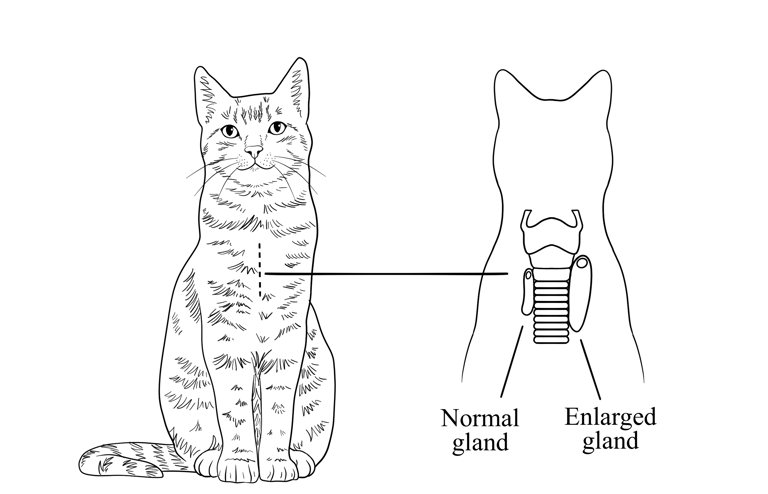
Hyperthyroidism in Cats: Causes, Symptoms, Diagnosis, and Treatment
Hyperthyroidism is the most common hormonal disorder in older cats, caused by overproduction of thyroid hormones from (usually) benign tumors of the thyroid glands, leading to an increased metabolic rate. This condition primarily affects middle aged to older cats 7-10 years old and, if untreated, can result in severe complications like heart disease, hypertension, and kidney damage.
What Causes Hyperthyroidism in Cats?
The thyroid glands are located in the neck and regulate metabolism by producing hormones such as thyroxine (T4) and T3. In almost all cases (98-99%), hyperthyroidism results from benign growths like adenomas or hyperplasia that cause uncontrolled hormone production. Very rarely malignant (cancerous) thyroid cancer (adenocarcinoma) is responsible. There are likely multiple contributing factors causing hyperthyroidism. Speculated risk factors include indoor lifestyle, life long canned food diet (due to BPAs?) and flame retardant chemicals in homes. More studies and research are needed because at this time there are no firm studies definitively implicating environmental factors.
Common Symptoms
Symptoms stem from the body's accelerated metabolism and often develops gradually and mimics normal aging. Key signs include:
Weight loss despite increased appetite (this is the most common symptom noticed first by pet owners)
Hyperactivity, restlessness, irritability, or aggression.
Increased thirst (polydipsia) and urination (polyuria).
Vomiting and diarrhea.
Poor coat condition or unkempt appearance due to reduced grooming.
Increased vocalization, especially at night.
Rapid heart rate, heart murmur, or abnormal rhythms (gallop rhythm).
Enlarged thyroid gland (goiter), felt as a neck lump.
In advanced stages: muscle wasting, lethargy, thickened nails, or blindness from hypertension-induced retinal detachment.
Less common signs include elevated liver enzymes or intermittent anorexia.
Diagnosis
Veterinarians diagnose hyperthyroidism through blood tests measuring elevated T4, Free T4 and T3 levels, alongside physical exams for goiter, heart issues and other clinical signs of the disease. Additional tests like urinalysis, blood pressure checks, and imaging (ultrasound or scintigraphy) assess complications such as kidney disease or cardiomyopathy, which can coexist or be unmasked by the condition.
Treatment Options
Several effective treatments exist, often chosen based on the cat's age, health, and owner preferences; all require veterinary monitoring.
Medication: Methimazole. Oral and compounded transdermal options are available. The transdermal is very helpful for cats that resist oral medication. Methimazole is generally well tolerated but potential side effects include vomiting, liver issues, and rarely severe facial pruritic (itching). The medication must be stopped if the facial/head pruritus occurs.
Surgery (thyroidectomy): This is surgery to remove the affected lobe of the thyroid gland. It is potentially curative. If only the affected lobe is removed then the other lobe could become affected. There is anesthesia risk and a risk of hypocalcemia if the parathyroid glands are removed by mistake (the parathyroid glands are very small and are closely associated with the thyroid glands; care must be taken to not remove them during surgery).
Radioiodine (I131) therapy: This is a single injection that destroys thyroid tissue and is often curative. Rarely, I have had a few cats that required two injections. They have to be hospitalized for treatment for several days or longer depending on state laws regulating radiation exposure. This treatment is ideal for younger cats so that you don’t have to spend several years medicating twice a day. This option may not be available in all areas and travel to a larger city or a university with a veterinary school may be required. Cost of treatment varies and should be weighed against the cost of oral medication for several years. Personally, this is my favorite treatment.
Iodine deficient diet: This is a prescription diet (e.g. Hill’s y/d) limiting iodine to reduce hormone synthesis. The diet is not suitable for all cats and likely not effective long term. It could be of benefit early in the course of disease if the hormone levels are just above reference ranges.
Early treatment reverses many complications, like thyrotoxic cardiomyopathy and hypertension. Untreated, hyperthyroidism is nearly 100% fatal due to heart failure or organ damage and wasting (severe muscle and fat loss).
Prognosis and Prevention
With early diagnosis and treatment, most cats achieve good quality of life and normalized weight. Regular senior cat check- ups, including thyroid screening, aid early detection, especially since symptoms overlap with aging. Senior cats should have an exam at least every 6 months as weight loss can be quick and dramatic. Make sure the veterinary staff weighs your cat every visit. You can also weigh cats at home with baby scales or by weighing yourself then weigh yourself holding your cat and subtract the difference. Keep a log of your cats weight monthly or quarterly. No proven prevention exists, but monitoring weight and appetite in older indoor cats is key. If wet food is desired, consider food in BPA free plastic rather than cans.
Contact
The information provided on this website is intended for general informational and educational purposes only and does not constitute veterinary medical advice. It is essential to consult with a qualified veterinary professional for any health concerns or before making any decisions related to your pet's health or treatment. We are not liable for any actions taken or not taken based on the information provided on this website.
DrRobert@vetcareinfo.io
© 2025. All rights reserved.