Leptospirosis
3/21/20264 min read
Leptospirosis is a serious, zoonotic (contagious to people) bacterial disease that affects dogs, people, and many other animals, most often causing kidney and liver damage in dogs.
What leptospirosis is
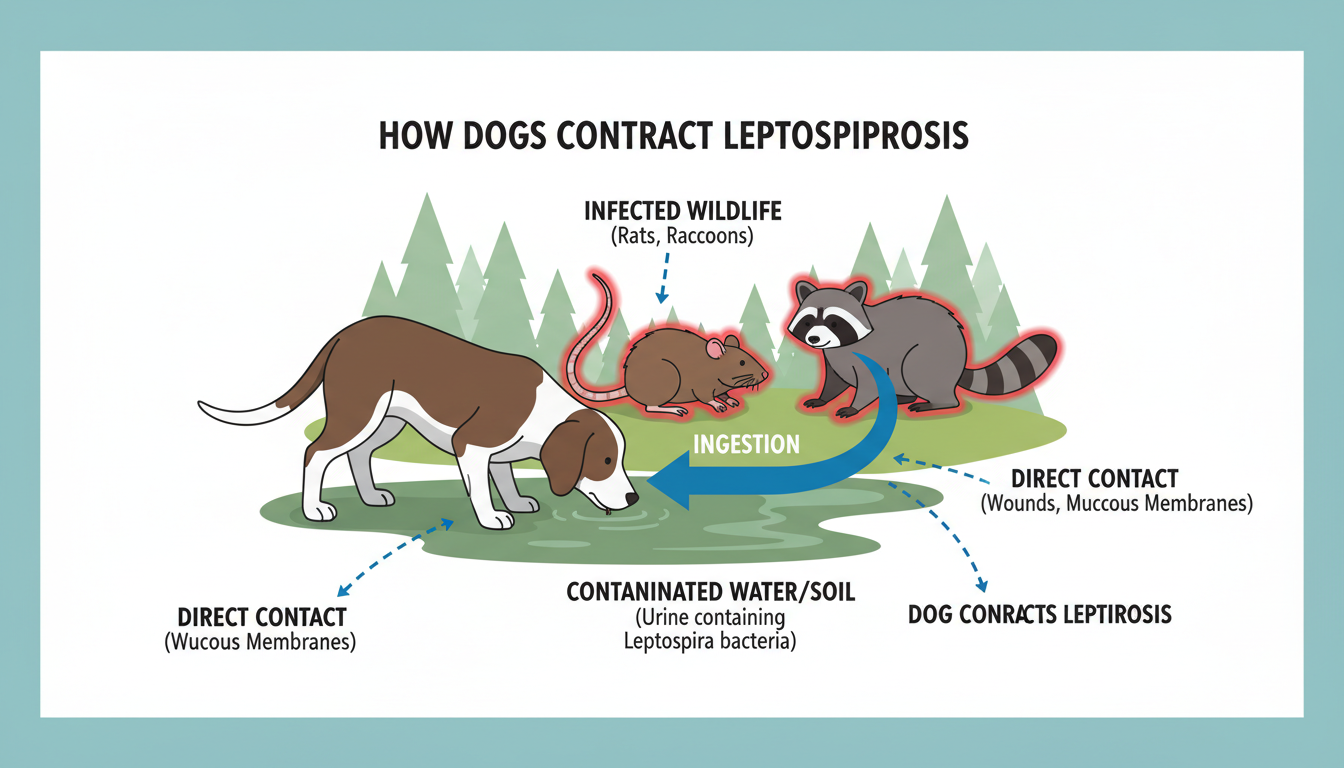
Leptospirosis is caused by spiral‑shaped bacteria called Leptospira that live in the kidneys of infected animals and are shed in urine. The bacteria survive for weeks to months in moist soil and standing water, so dogs are usually infected when they drink, swim in, or walk through contaminated water or mud and then lick themselves. Because many wild mammals (especially rodents and raccoons) can carry the bacteria without looking sick, suburban and urban dogs are also at risk, not just farm or hunting dogs.
How dogs get infected
Infection typically happens when Leptospira enter the body through:
Small cuts or abrasions in the skin
Mucous membranes (eyes, nose, mouth)
Drinking contaminated water
Once inside, the bacteria spread via the bloodstream and settle mostly in the kidneys and sometimes the liver and lungs. Dogs can start shedding the bacteria in urine before they look ill, which is why an apparently healthy but infected dog can pose a risk to other animals and to people.
Symptoms in dogs
Leptospirosis has a wide range of presentations, from very mild to rapidly fatal. Common signs include:
Lethargy, fever, stiffness, and muscle pain
Vomiting, diarrhea, poor appetite, abdominal pain
Increased or decreased urination and thirst
Jaundice (yellow gums/eyes) if the liver is affected
Red spots or bruising on gums or skin, nosebleeds, or blood in stool or vomit
Difficulty breathing or coughing if the lungs are involved
Dark colored urine
In many cases, the first clear problem is acute kidney injury: the dog may drink and urinate excessively at first, then progress to very little or no urine output, with worsening vomiting and weakness. Any sudden, flu‑like illness in a dog with vomiting and changes in urination should be treated as an emergency.
Diagnosis
Veterinarians diagnose leptospirosis using a combination of:
Physical exam and history (especially recent exposure to ponds, puddles, wildlife, or flooded areas)
Blood tests to look for kidney and liver damage and electrolyte changes
Urinalysis to check concentration, protein, blood, and the presence of bacteria
Specific leptospirosis tests, such as:
PCR (detects Leptospira DNA in blood or urine, often positive early in disease)
MAT (microscopic agglutination test) antibody titers, usually done in paired samples 1–2 weeks apart to show a rising titer
Because waiting for confirmatory tests can take days, vets usually begin treatment as soon as leptospirosis is strongly suspected.
Treatment
Treatment for leptospirosis has two main pillars: antibiotics to clear the bacteria and intensive supportive care to protect organs.
Antibiotics:
A penicillin‑type antibiotic is commonly started early to control the acute bloodstream infection.
Doxycycline is typically given for at least 2 weeks to clear the bacteria from the kidneys and stop long‑term shedding.
Supportive care:
Intravenous fluids to correct dehydration, support the kidneys, and balance electrolytes
Antiemetics for vomiting, pain medication, and stomach/intestinal protectants
Liver support medications if there is liver damage
In severe kidney failure, dialysis (hemodialysis or continuous renal replacement therapy) may be needed in specialty centers
With rapid diagnosis and aggressive therapy, many dogs recover, but some are left with reduced kidney function, and severely affected dogs can die despite treatment.
Prognosis
Outcome depends on:
How early treatment starts
How severely the kidneys, liver, or lungs are damaged
Whether dialysis is available if needed
Dogs treated in the early stages and with only mild organ changes often recover fully. Dogs with severe kidney failure, significant jaundice, or lung hemorrhage have a guarded to poor prognosis. Even recovered dogs may need long‑term kidney‑friendly diets and regular monitoring.
Risk to humans
Leptospirosis is a zoonotic disease, meaning it can infect people. People can become infected by:
Contact with urine from an infected dog (especially cleaning up accidents without gloves)
Contact with contaminated water, soil, or bedding
Exposure of broken skin, eyes, nose, or mouth to contaminated material
Household members should:
Wear gloves when cleaning urine or soiled bedding
Use disinfectant on contaminated surfaces
Wash hands thoroughly after handling the dog or its waste
Avoid letting the dog lick their face, especially while the dog is acutely ill
If anyone in the household develops flu‑like symptoms, jaundice, or severe headache after a dog is diagnosed with leptospirosis, they should see a physician promptly and mention the dog’s illness.
Prevention in dogs
Prevention focuses on both vaccination and environmental management.
Vaccination:
Modern leptospirosis vaccines for dogs cover several of the common serovars (strains) most likely to cause disease.
They are typically given yearly (or more often in very high‑risk areas), often combined with other core vaccines.
Vaccination greatly reduces the risk of severe disease, although no vaccine covers every possible strain.
Environmental and lifestyle measures:
Avoid letting dogs drink from or swim in stagnant or slow‑moving water such as puddles, ditches, and small ponds, particularly in warm, wet seasons.
Discourage wildlife and rodents around the home by securing trash, removing food sources, and cleaning up spilled birdseed or pet food.
Keep dogs on leash in high‑risk areas so they are less likely to wade in unknown water sources or investigate rodent‑infested spots.
For farm, hunting, or working dogs, discuss a tailored prevention plan with a veterinarian, as their exposures are often higher.
Leptospirosis in cats
Leptospirosis in cats is much more rare than in dogs but can have similar symptoms. It is now believed it can play a role in chronic kidney disease in cats. Outdoor cats that hunt are at an increased risk. Leptospirosis in cats is treated similarly to dogs. There is no vaccine for cats so keeping cats indoors is the best way to prevent infection.
When to call the vet
You should contact a veterinarian urgently if your dog:
Becomes suddenly very lethargic
Has vomiting and diarrhea plus changes in drinking or urination
Develops yellow gums or eyes
Has recently had exposure to floodwater, ponds, or heavy rodent activity and now seems sick
Early treatment can be the difference between a full recovery and life‑threatening organ failure.
Contact
The information provided on this website is intended for general informational and educational purposes only and does not constitute veterinary medical advice. It is essential to consult with a qualified veterinary professional for any health concerns or before making any decisions related to your pet's health or treatment. We are not liable for any actions taken or not taken based on the information provided on this website.
DrRobert@vetcareinfo.io
© 2025. All rights reserved.