
Periodontal Disease
Description, Prevention and Treatment
3/9/20263 min read


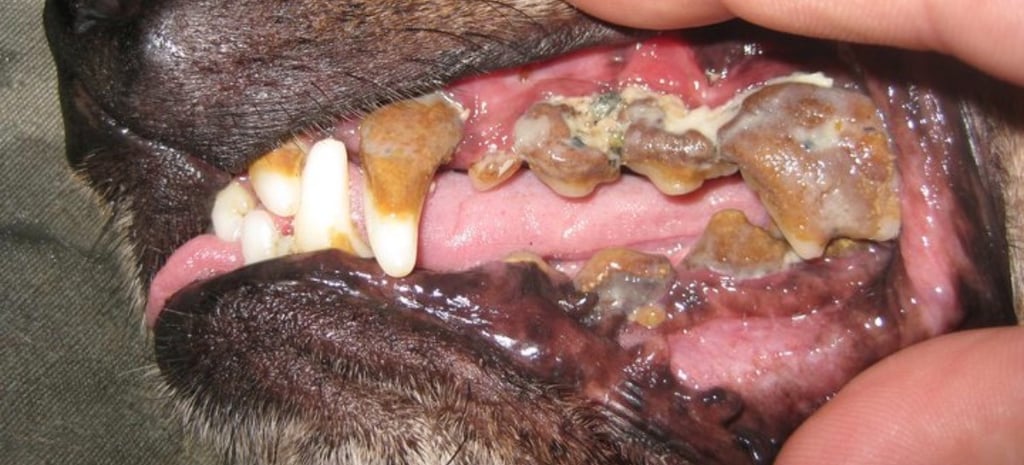
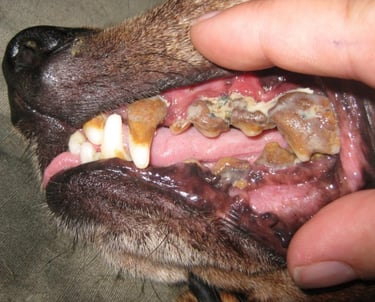
Periodontal disease, also known as gum disease, is a common and serious health issue affecting dogs and cats. It's an inflammation and infection of the tissues surrounding the teeth, potentially leading to tooth loss and even systemic health problems if left untreated. Understanding the causes, recognizing the symptoms, and implementing preventive measures are crucial for maintaining your pet's oral health and overall well-being.
Causes of Periodontal Disease
Periodontal disease begins with the accumulation of bacteria in the mouth, forming plaque. When plaque is not removed through regular brushing, it hardens into tartar (calculus). Tartar provides a rough surface for more plaque to accumulate, creating a vicious cycle. The bacteria in plaque and tartar produce toxins that irritate and inflame the gums (gingivitis). Over time, this inflammation can damage the tissues that support the teeth, leading to periodontitis, the advanced stage of periodontal disease.
Key contributing factors include:
• Poor oral hygiene: Lack of regular teeth brushing allows plaque and tartar to build up. • Diet: Soft, sticky foods can contribute to plaque formation more than dry kibble.
• Age: Older pets are more likely to develop periodontal disease due to years of plaque accumulation.
Breed: Smaller breeds and brachycephalic (short-nosed) breeds are often
predisposed to periodontal disease due to crowded teeth.
Genetics: Some pets may be genetically predisposed to developing periodontal
disease.
Underlying health conditions: Certain diseases, such as diabetes, can increase the
risk of periodontal disease.
Symptoms of Periodontal Disease
Recognizing the symptoms of periodontal disease early is vital for prompt treatment. Common signs include:
Bad breath (halitosis): Often the first and most noticeable sign.
Red, swollen, or bleeding gums: Indicates inflammation and infection.
Excessive drooling: Can be a sign of oral discomfort.
Difficulty chewing or reluctance to eat: Suggests pain in the mouth.
Loose teeth: Indicates advanced periodontal disease and bone loss.
Receding gums: Exposes the roots of the teeth.
Pawing at the face or mouth: A sign of irritation or pain.
Nasal discharge or sneezing: Can occur if the infection spreads to the nasal passages
(more common in advanced cases).
Dogs are more prone to showing symptoms like excessive drooling due to their larger mouth size.
Cats often hide pain, so subtle changes in eating habits or grooming may be the only noticeable signs. Look out for them eating slower, or preferring soft foods over hard.
Prevention of Periodontal Disease
Prevention is always better (and cheaper!) than cure. The cornerstone of preventing periodontal
disease is good oral hygiene.
Regular teeth brushing: Ideally, brush your pet's teeth daily using a pet-specific
toothbrush and toothpaste. Human toothpaste contains ingredients that are harmful
to pets.
Dental diets: Certain specially formulated diets can help reduce plaque and tartar
buildup through mechanical action.
Dental chews and toys: Some chews and toys are designed to promote oral hygiene
by scraping away plaque and tartar. Choose safe and appropriate chews to avoid
choking hazards.
Professional dental cleanings: Regular veterinary dental check-ups and cleanings
under anesthesia are essential for removing tartar and assessing the health of the teeth and gums. Your vet will recommend a cleaning schedule based on your pet's individual needs.
•
See the Recommended Products page for a list of VOHC (veterinary oral health council) approved dental treats and chews.Treatment Options
Treatment for periodontal disease depends on the severity of the condition. Common treatment
options include:
• Professional dental cleaning (prophylaxis): This involves scaling and polishing theteeth
under anesthesia to remove plaque and tartar above and below the gum line. In some cases,
dental X-rays may be taken to assess the extent of bone loss.
Tooth extraction: Severely affected teeth with significant bone loss may need to be
extracted.
Antibiotics: Antibiotics may be prescribed to control infection.
Pain management: Pain medication may be necessary to relieve discomfort.
Advanced treatments: In some cases, more advanced treatments like root canal
therapy or guided tissue regeneration may be recommended by a veterinary dentist.
Summary
Periodontal disease is a prevalent issue in both dogs and cats, stemming from plaque and tartar accumulation. Early symptoms include bad breath and inflamed gums, progressing to tooth loss and potential systemic health issues if untreated. Prevention relies on regular teeth brushing, dental diets, and professional cleanings. Treatment options range from dental cleaning to tooth extraction, depending on the severity. By understanding the causes, recognizing the symptoms, and taking proactive steps, pet owners can significantly improve their companion animals' oral health and overall quality of life.
Contact
The information provided on this website is intended for general informational and educational purposes only and does not constitute veterinary medical advice. It is essential to consult with a qualified veterinary professional for any health concerns or before making any decisions related to your pet's health or treatment. We are not liable for any actions taken or not taken based on the information provided on this website.
DrRobert@vetcareinfo.io
© 2025. All rights reserved.